Skip to content
TruFrame

Category

uPVC sliding windows.

Two sliding systems, both 60 mm deep. Peafowl is the larger family for wide openings; Falcon is the compact set for everyday ones. Neither swings into the room.

Systems
Peafowl, Falcon
Published profiles
20
Formulation
Lead-free
Titanium dioxide
8 phr
Gasket
TPE
Profile warranty
20 years
Standard referenced
EN 12608-1
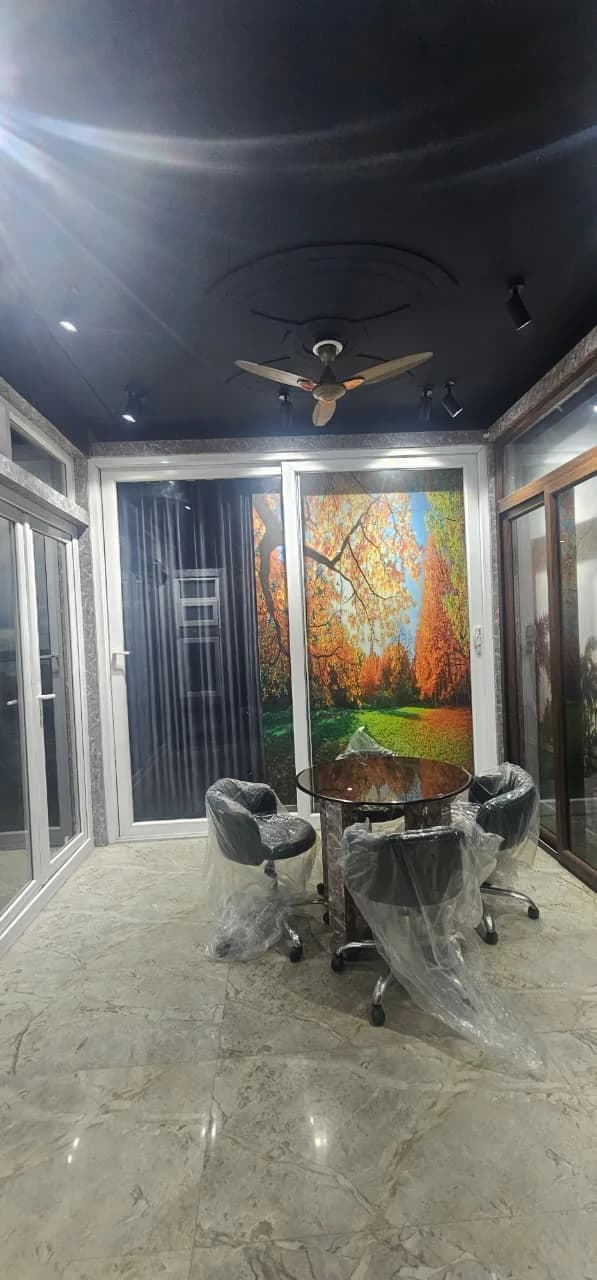
A room enclosed by full-height white uPVC glazed doors and windows
Fig. 01Full-height glazed enclosure

Before you specify

What has to be settled.

Opening width and height
The single most important figure for a slider.
Tracks and panels
How much of the opening needs to open at once.
Floor and exposure
Wind load rises with height and with an open aspect.
Glazing specification
Panel weight follows from the glass.
Help me choose a system

01

How a slider seals, and why it is different

A sliding panel has to move, so it cannot be clamped onto a gasket the way a hinged sash can. It seals along its running edges instead, against brush or gasket sections built into the track and the interlock. That is a good seal when the geometry is right and the panels are true, but it is a different mechanism from compression.

If noise or dust is the main complaint about an existing window, say so early. A casement may be the better answer even where a slider looks like the obvious fit, and it is worth comparing the two before the order is placed.

02

Tracks, panels and the opening

The number of tracks decides how much of the opening can actually be open at once. A two-track, two-panel window opens to half its width. Three tracks give more. The panel count and the track count together also decide how heavy each panel is, which feeds back into reinforcement and hardware.

None of this is chosen from a catalogue page. Send the opening width and height, the floor, and how many panels you want, and the technical team will confirm what the system can carry.

03

Keeping a slider working

The two things that stop a slider running well are grit in the track and blocked drainage. Both are maintenance, not manufacture. Keep the track clear and check the drainage slots stay open, particularly after a monsoon.

Rollers and locks are fitted by the fabricator from hardware chosen for the panel weight. Ask which hardware was used and who warrants it.

Systems

The two systems behind this.

Specifications, applications and every published section drawing live on the system pages.

Compare all four systems

System / 01

Peafowl

Sliding system for wider openings

Type
Sliding
Depth
60 mm
Chambers
5

TF 101–105 / TF 106–115

The five-chamber, 60 mm sliding family, with the largest set of profiles in the range.

Typical applications

  • Balcony openings
  • Wide residential openings
  • Commercial frontages
  • Replacement of existing sliders
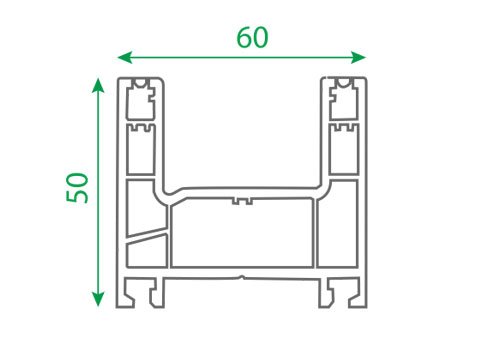
Section drawing of profile TF 101, Peafowl system, with overall dimensions in millimetres
TF 101Peafowl · section drawing

System / 02

Falcon

Compact sliding system

Type
Sliding
Depth
60 mm
Chambers
4

TF 301–305

A four-chamber, 60 mm sliding system with a smaller, focused profile set.

Typical applications

  • Kitchen and utility windows
  • Bedroom windows
  • Smaller sliding openings
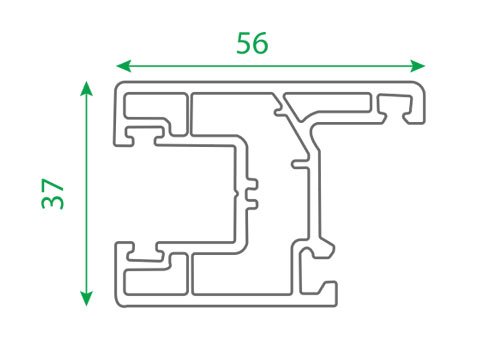
Section drawing of profile TF 301, Falcon system, with overall dimensions in millimetres
TF 301Falcon · section drawing

Talk to TruFrame

Tell us about the opening.

Size, floor, which way it faces and what you want to keep out. That is usually enough for our technical team to point you to the right system.

WhatsApp